
How to Launch a Shared Mobility Fleet: A Practical Guide for Scooters, E-Bikes and Mopeds
Business model, vehicles, software, operations, budget and a phased launch: the steps from idea to live service, and why a second-hand fleet lowers the cost of getting there.
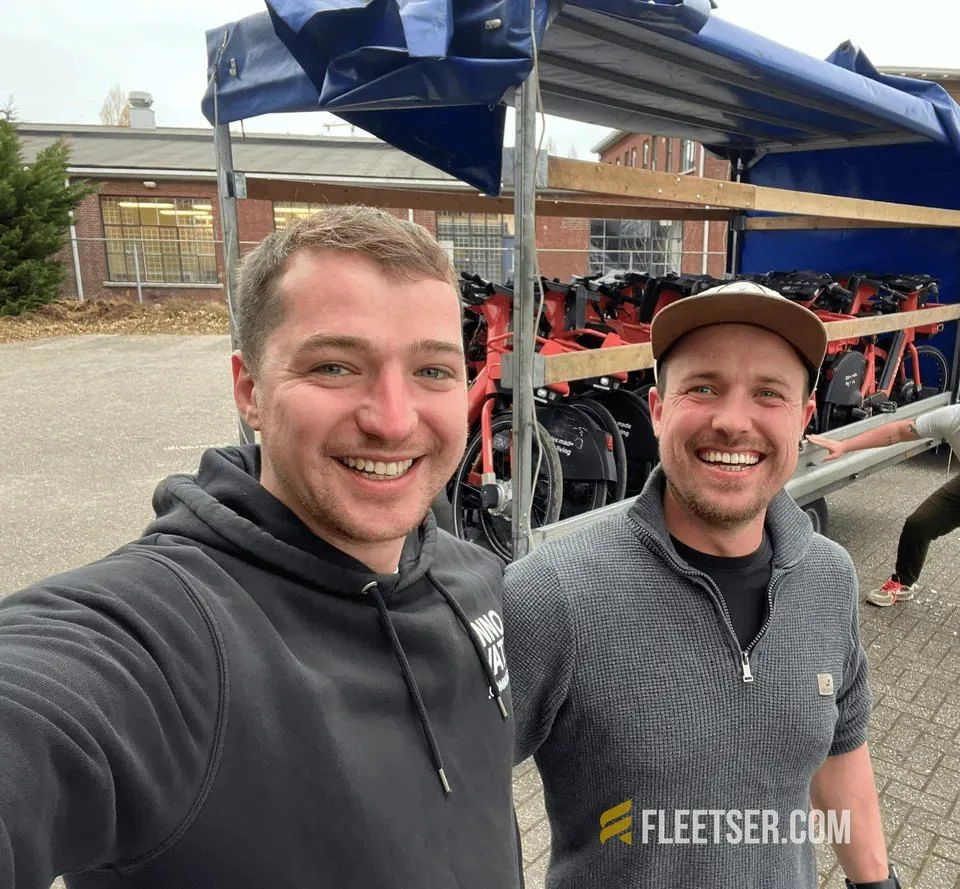
Launching a shared-mobility fleet does not need to take years or require a large software-development budget. With the right vehicles, IoT hardware, white-label software, and operational plan, you can launch a scooter, e-bike, or moped-sharing service in a focused city or district—and scale once demand is proven.
This guide explains how to launch a sharing fleet, why second-hand vehicles can be a smart way to reduce upfront costs, and how Fleetser helps operators source compatible fleets and connect with leading software providers.
What is a shared mobility fleet?
A shared-mobility fleet is a group of vehicles that multiple users can rent on demand through an app. Common formats include:
- E-scooter sharing
- E-bike and bike sharing
- Moped sharing
- Cargo-bike sharing
- Carsharing
- Corporate or campus mobility fleets
The operator provides vehicles, manages charging and maintenance, sets pricing and service areas, and uses software to manage bookings, payments, GPS tracking, geofencing, and fleet operations.
Why launch a sharing fleet?
Shared mobility can create a recurring-revenue business by turning vehicles into a managed service rather than a one-time sale. Riders pay per trip, minute, day, subscription, or corporate booking, while the operator earns revenue from utilisation across a fleet.
A well-run fleet can also serve local needs that global operators may not address: tourism, university campuses, business parks, residential areas, hotels, last-mile delivery, and smaller cities.
The key is to start with a controlled service area, a reliable vehicle type, and simple operations. Successful first-time operators often begin with one vehicle category, a compact launch zone, and a small pilot fleet before expanding.
Start with a clear business model
Before buying vehicles or choosing software, define exactly what service you are launching.
Ask yourself:
- Which city, campus, resort, or business area will you serve?
- Will the service be free-floating, docked, or station-based?
- Will riders use scooters, e-bikes, mopeds, cargo bikes, or cars?
- Will you charge per minute, per trip, per day, or through subscriptions?
- Do you need ID verification, helmets, parking rules, or insurance?
- Who will handle charging, repairs, rebalancing, cleaning, and customer support?
- What is your target fleet size for the first 30, 60, and 90 days?
A compact initial zone is usually better than launching across an entire city. It keeps vehicles visible, makes rebalancing easier, and helps you reach enough utilisation to understand real demand.
Choose the right vehicle type
For most new operators, starting with one vehicle type is the simplest route to launch. E-scooters are often chosen because they have a relatively low entry cost, while e-bikes and mopeds can suit longer trips, hills, delivery use cases, or markets where scooters are restricted.
When selecting vehicles, prioritise:
- Fleet-grade construction rather than consumer-grade hardware.
- Reliable GPS, cellular connectivity, remote locking, and battery monitoring.
- Swappable or easily serviceable batteries.
- Availability of spare parts and technical support.
- Compliance with local rules for lights, brakes, speed limits, and vehicle classification.
- Compatibility with your chosen software and IoT provider.
Hardware should be purpose-built for sharing, not simply a consumer scooter with a lock added. Operators should also confirm that the vehicle model is integrated with their software provider before placing a large order.
Why second-hand vehicles make sense
New fleet vehicles can be expensive, especially when you need enough units to create a usable service area. Second-hand and refurbished shared-mobility vehicles can reduce your upfront capital requirement while allowing you to launch with a larger fleet.
Buying second-hand can be a strong option when:
- You are testing a new market or launch zone.
- You want to preserve cash for operations, marketing, and maintenance.
- You need vehicles quickly rather than waiting for a long production lead time.
- You are buying a proven fleet model with known spare-parts availability.
- You want to launch a pilot before committing to a large new-vehicle order.
The most important factor is not whether a vehicle is new or used—it is whether it is fleet-ready, technically sound, IoT-connected, and compatible with your software platform.
Buy a fleet with Fleetser
Fleetser is a marketplace for buying and selling e-mobility fleets. Operators can find new and second-hand e-scooters, e-bikes, mopeds, and other shared-mobility vehicles, sold by the fleet rather than one unit at a time.
Fleetser helps simplify fleet procurement by offering:
- New and second-hand shared-mobility vehicles.
- Fleet-size listings rather than individual-unit sales.
- E-scooters, e-bikes, mopeds, and other mobility assets.
- Inspection, freight, and customs handling.
- Vehicles compatible with leading shared-mobility software platforms.
- Support connecting operators with software representatives and launch advice.
For a new operator, this can significantly reduce the time and risk involved in sourcing hardware. Instead of contacting multiple suppliers, negotiating individual shipments, and trying to verify compatibility yourself, you can source a fleet that is ready for a shared-mobility launch.
Choose white-label software
Your software platform is the digital backbone of the fleet. It connects riders, vehicles, payments, and operations in one system.
A white-label platform lets you launch under your own brand with a rider app, operator dashboard, payments, geofencing, fleet management, and customer-support tools already built.
When comparing software providers, test the full rider journey: registration, finding a vehicle, unlocking, riding, parking, ending the trip, payment, refunds, and reporting an issue. Also ask how the platform handles vehicles that go offline, failed unlocks, maintenance status, and refunds.
Popular software options
Fleetser vehicles are compatible with leading white-label shared-mobility platforms, including:
- ATOM Mobility — flexible platform for scooters, bikes, mopeds, cars, and multi-vehicle models.
- Joyride — micromobility-focused platform with strong rider-safety and parking-compliance tools.
- Wunder Mobility — enterprise-grade platform for larger, multi-city, B2B, and compliance-heavy fleets.
- LISA Solutions — AI-native fleet-management platform with open APIs, white-label apps, and operational intelligence.
Choosing software before ordering a large fleet helps prevent expensive integration problems later. Ask each provider which telematics and IoT systems are already supported, what functions work out of the box, and what custom integration work may be required.
Build the operational system
A fleet is only as good as the operation behind it. Before launch, create clear processes for every routine task.
Your operating plan should cover:
- Daily vehicle inspections.
- Charging and battery swaps.
- Maintenance and repair workflows.
- Rebalancing vehicles to high-demand areas.
- Cleaning and damage checks.
- Customer support and refund handling.
- Incident reporting and insurance procedures.
- Parking compliance and geofence management.
- Data review and fleet-performance reporting.
Operators should also run test rides before launch: create an account, locate a vehicle, unlock it, ride, park, end the trip, and confirm that payment works correctly.
Plan your launch budget
Your launch budget should include more than the purchase price of vehicles.
Typical cost categories include:
- Vehicles, batteries, chargers, and IoT hardware.
- Software setup and monthly platform fees.
- Payment-processing fees.
- Insurance and permits.
- Warehouse, workshop, or storage space.
- Service vehicles and field-team equipment.
- Spare parts and repairs.
- Marketing and user acquisition.
- Customer support.
- Freight, customs, and vehicle preparation.
Second-hand fleets can lower the vehicle portion of this budget, giving you more capital available for operations, marketing, and customer acquisition.
Launch in phases
A phased launch reduces risk and gives you time to fix issues before scaling.
Phase 1: Validate the market
Research local demand, competitors, regulations, parking rules, and likely user groups. Define a small launch zone and identify anchor locations such as train stations, universities, hotels, offices, or tourist areas.
Phase 2: Source vehicles
Choose a vehicle type and source a fleet that is IoT-ready and software-compatible. Fleetser can help you find new or second-hand fleets and connect you with the right software provider.
Phase 3: Set up technology
Configure your rider app, branding, pricing, payment provider, geofences, parking rules, ID verification, and customer-support channels. Test the complete rider journey before going live.
Phase 4: Soft launch
Start with a limited number of vehicles, restricted hours, or an invite-only launch. Monitor utilisation, battery levels, parking behaviour, support tickets, and operational bottlenecks.
Phase 5: Scale
Once you understand demand, expand the service area, add vehicles, introduce pricing optimisation, and improve rebalancing and maintenance routines.
Key metrics to track
From day one, track the numbers that show whether the fleet is working.
- Trips per vehicle per day.
- Revenue per vehicle.
- Vehicle utilisation.
- Average trip duration and distance.
- Battery levels and charging requirements.
- Vehicles offline or unavailable.
- Maintenance and repair time.
- Customer-support tickets.
- Parking compliance.
- Rider acquisition cost.
- Fleet operating cost per vehicle.
These metrics help you decide when to add vehicles, adjust pricing, change service-area boundaries, or improve field operations.
Common launch mistakes to avoid
- Buying vehicles before confirming software and IoT compatibility.
- Launching too large an area with too few vehicles.
- Underestimating charging, maintenance, and rebalancing costs.
- Choosing consumer hardware instead of fleet-grade vehicles.
- Ignoring local permits, parking rules, and insurance requirements.
- Launching without a clear process for refunds, damage, and support.
- Focusing only on vehicle price rather than total cost of ownership.
Durability, battery capacity, spare-parts availability, weather resistance, maintenance requirements, and IoT reliability all affect the real cost of running a fleet.
How Fleetser helps you launch
Fleetser is built for operators that want to launch or expand a shared-mobility fleet without unnecessary complexity.
With Fleetser, you can:
- Buy new or second-hand shared-mobility fleets.
- Source e-scooters, e-bikes, mopeds, and other mobility vehicles.
- Access fleet-level listings rather than buying vehicles one by one.
- Benefit from inspection, freight, and customs support.
- Choose vehicles compatible with ATOM, Joyride, Wunder Mobility, and LISA Solutions.
- Get connected with representatives from each software provider.
- Receive advice on the best software, vehicle type, and launch approach for your market.
Whether you are launching your first 50 scooters or adding a new vehicle category to an existing operation, Fleetser can help you find the right fleet, reduce upfront costs, and connect you with the software and support needed to launch successfully.